How to Read Skincare Labels (Without a Chemistry Degree)
I once spent ten minutes in a drugstore aisle comparing two body lotions. One said "natural" in big green letters. The other said "dermatologist recommended." I flipped them both over, looked at the long lists of ingredients in tiny print, and put them both back. I had no idea what I was reading.
If you've ever felt that way, this post is for you. Learning how to read skincare labels doesn't require a science background. A few simple rules will help you understand what's in a product, compare options, and shop with confidence.
Rule 1: Ingredients Are Listed by Amount
In the United States, cosmetic ingredients are generally listed from the largest amount to the smallest. Ingredients present at less than 1% can be listed in any order at the end.
What that means for you:
- The first five ingredients make up most of the product. Focus there.
- If a featured ingredient is near the end of the list, there's probably only a small amount.
- Water (often listed as "aqua") is usually first in lotions and creams. That's normal.
So if the front of the bottle says "with shea butter" but shea butter appears near the end of the list, the product contains only a little of it.
Rule 2: Learn a Few Common Names
Many ingredients have long, scientific names. Some of the gentlest ones sound the most intimidating.
- Butyrospermum parkii is shea butter.
- Cocos nucifera oil is coconut oil.
- Glycerin is a common moisturizing ingredient that helps skin hold water.
- Tocopherol is a form of vitamin E.
- Cetearyl alcohol is a fatty alcohol that helps thicken creams. It isn't the drying kind of alcohol.
Plant ingredients often appear with their Latin botanical names first. When in doubt, look up an ingredient from a reputable source before deciding it's good or bad.
Rule 3: Spot the Fragrance
If you have sensitive skin, fragrance is one of the first things to check.
- "Fragrance" or "parfum" on a label can stand for a blend of many scent ingredients.
- Essential oils add natural scent but can still bother sensitive skin.
- "Unscented" doesn't always mean fragrance-free. A product may contain ingredients that mask other smells. Look for "fragrance-free" if that matters to you.
Rule 4: Understand the Marketing Words
Some words on the front of a bottle have no single official definition for cosmetics.
- "Natural" and "clean" aren't strictly defined, so they can mean different things to different brands.
- "Hypoallergenic" suggests a lower chance of reactions, but anyone can still react to a product.
- "Dermatologist tested" means a dermatologist was involved in testing, but it doesn't tell you how.
The front label is advertising. The ingredient list on the back is where the information is.
Rule 5: Check Dates and Storage
- Look for an expiration date or a small open-jar symbol with a number like "12M." That means the product is best used within 12 months of opening.
- Natural products with fewer preservatives may have a shorter shelf life.
- Store skincare away from heat and direct sunlight.
- Toss anything that changes color, separates, or smells off.
How to Read Skincare Labels: A Quick Practice
Next time you shop, try this:
- Read the first five ingredients.
- Find the ingredient the front label brags about. Where is it on the list?
- Check for fragrance if your skin is sensitive.
- Ignore the marketing words and decide based on what's inside.
After a few tries, you'll read labels in seconds.
A Word on Reactions
Even simple, natural ingredients can cause reactions in some people. Shea butter comes from a tree nut, and coconut and essential oils can irritate sensitive skin. Patch test new products on a small area first, and check with your doctor or dermatologist if you have allergies or a skin condition.
How I Use It
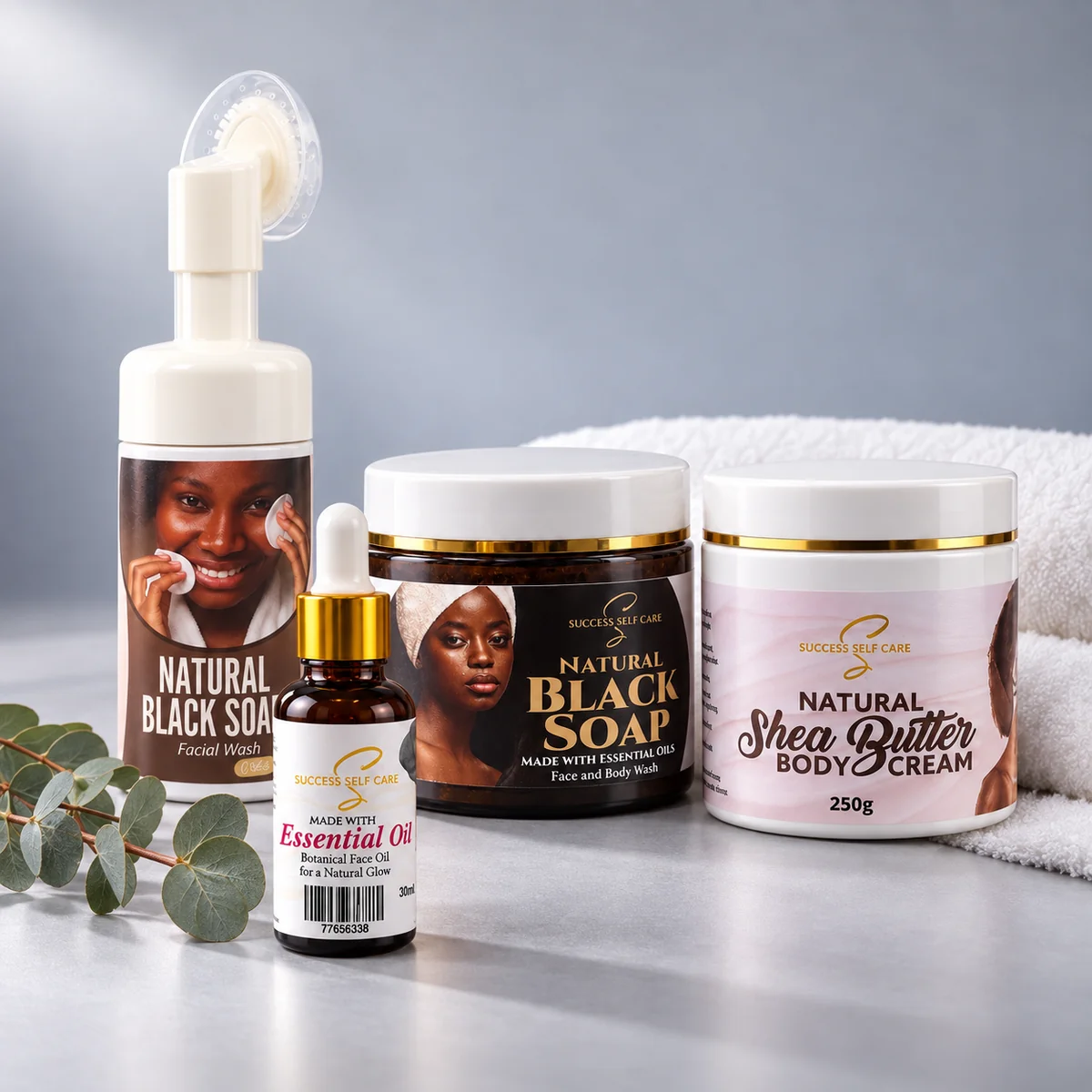
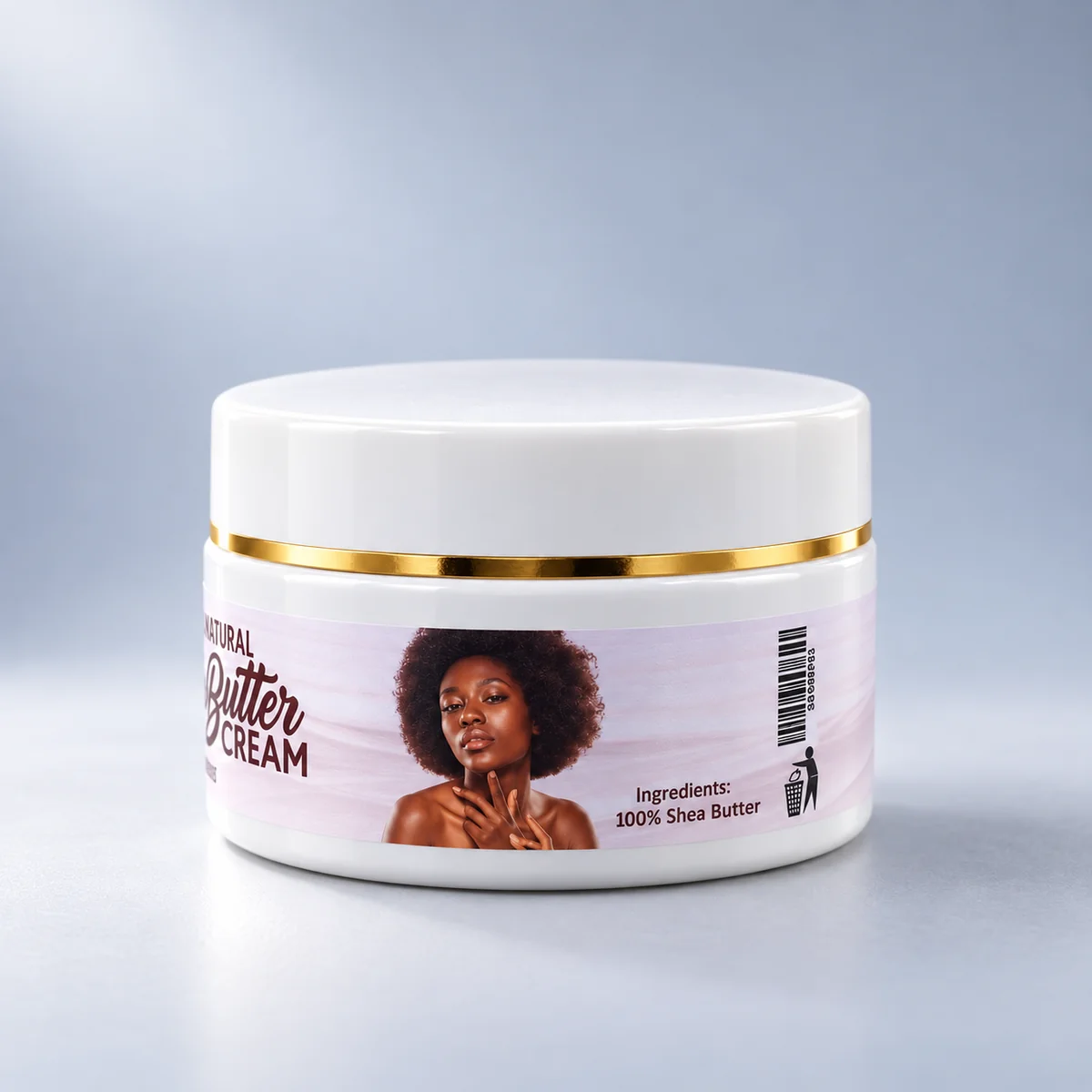
This is one of the reasons I love making my Whipped Shea Butter Body Cream: the label is one ingredient long. It's 100% shea butter, whipped soft. No long list to decode, and nothing hiding at the end.
When I smooth it over my elbows and heels after a shower, I know exactly what I'm putting on my skin. That peace of mind is part of why I started making my own products in the first place.
I choose with wisdom, not with worry.
Your Next Step
Grab one product from your bathroom today and read its first five ingredients. Then, if you'd like something simple, take a look at my one-ingredient shea butter cream.
More to read: How to Use African Black Soap Gently, Shea Butter for Mature Skin, and Body Oil vs Body Cream.
Keep reading
Skincare Routines
How to Apply Body Oil: The Damp-Skin Trick That Changes Everything
October 23, 2026