Dry Skin After Menopause: What Changes and What Helps
This post contains affiliate links. I may earn a small commission at no extra cost to you. Learn more.
One winter morning I reached down to pull on my socks and noticed my shins looked like a dry riverbed: white, flaky, and tight. My skin had never done that before. A friend my age laughed when I told her. "Welcome to the club," she said. "Nobody warns you about this part."
So let me be the one who tells you. Dry skin after menopause is very common, and it isn't your fault. There's a reason it happens, and there are simple, affordable ways to help your skin feel comfortable again.
What Changes in Your Skin
During and after menopause, your body makes much less estrogen. Estrogen plays a role in keeping skin moist and supple, so when it drops, many women notice changes like these:
- Skin feels drier and tighter, especially after bathing.
- Shins, arms, hands, and heels get rough or flaky.
- Skin may feel more sensitive or itchy than before.
- Your face may look duller and feel less plump.
- Cuts and scrapes may seem to take longer to heal.
Add dry winter air and indoor heating, and it's no wonder our skin complains. The good news is that consistent, gentle care makes a real difference in how your skin feels.
1. Change How You Wash
Washing is where a lot of dryness starts.
- Turn the temperature down. Hot showers feel wonderful but strip natural oils. Use lukewarm water.
- Keep it short. Aim for 5 to 10 minutes.
- Use a gentle cleanser. Skip harsh, heavily fragranced soaps.
- Wash only where you need to. Underarms, feet, and private areas need daily cleansing. Shins and arms often don't need much soap at all.
- Pat, don't rub. Use a soft towel and leave skin slightly damp.
2. Moisturize Within Three Minutes
The most helpful habit for dry skin after menopause is moisturizing right after you bathe, while your skin is still damp. That helps hold water in your skin instead of letting it evaporate.
- Keep your body cream in the bathroom so you never forget.
- Use a rich cream or butter on the driest areas.
- Apply again at bedtime to hands, elbows, and heels.
3. Add Moisture to the Air
Indoor heating can leave the air very dry, and your skin feels it.
- Run a humidifier in your bedroom, especially in winter.
- Keep the thermostat a little cooler at night.
- Clean your humidifier regularly, following the instructions.
4. Care for Your Skin From the Inside
- Drink water throughout the day.
- Include healthy fats in your meals, like salmon, avocado, nuts, and olive oil.
- Get enough sleep, which is often harder during menopause.
5. Protect Your Face Every Day
Facial skin changes too. Choose a gentle cleanser and a moisturizer made for dry skin, and wear broad-spectrum sunscreen every morning. Protecting your skin from the sun is one of the best things you can do at any age.
6. Choose Soft Fabrics
What touches your skin all day matters too. Rough wool and tight synthetic fabrics can make dry, sensitive skin feel itchier. Cotton and other soft, breathable fabrics are usually more comfortable, especially against your shins and arms. Use a gentle, fragrance-free laundry detergent if you notice irritation, and skip heavy fabric softener sheets.
Dry Skin After Menopause: When to See Your Doctor
Most dryness responds well to gentle care. But please check with your doctor or a dermatologist if you notice:
- Itching that keeps you up at night
- Cracked or bleeding skin
- A rash, redness, or patches that don't improve after a couple of weeks of moisturizing
- Any new or changing spot
Your doctor can also talk with you about menopause symptoms in general and what options might be right for you.
How I Use It
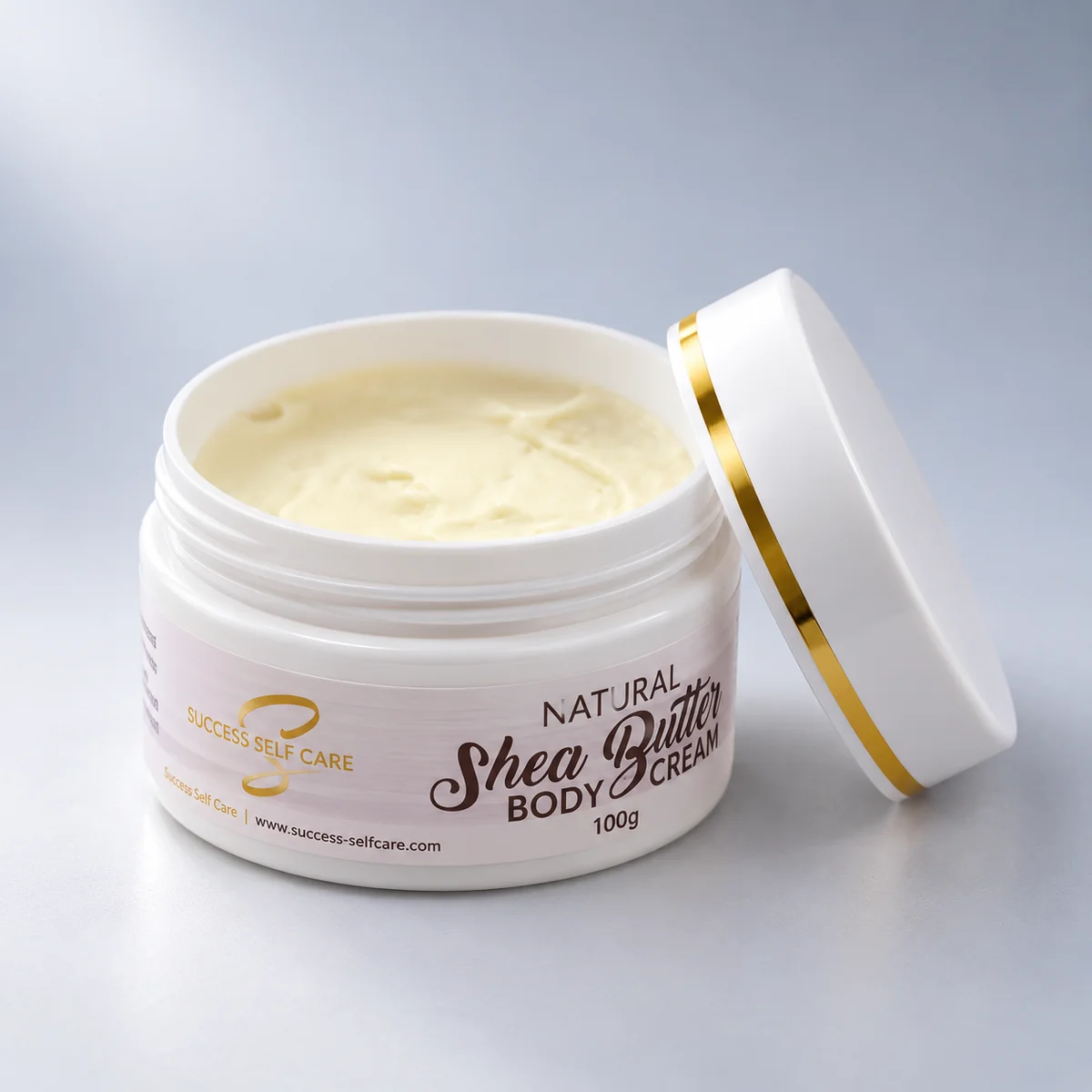
My Whipped Shea Butter Body Cream lives on the edge of my bathtub. As soon as I turn off the water and pat myself mostly dry, I scoop some up, warm it between my hands, and smooth it over my shins, arms, elbows, and heels.
Those flaky shins I mentioned? A few weeks of shea butter on damp skin, every single day, and they feel smooth again. Consistency did what no fancy product had done.
Other Products I Recommend
- For drier winter air: a cool-mist bedroom humidifier, quiet enough to run all night.
My body is changing, and I can meet each change with patience and care.
Your Next Step
You don't have to figure this season out alone. Join my email list for simple tips on caring for your skin through menopause and beyond, and get the free 7-Day Glow Routine Checklist.
More to read: Shea Butter for Mature Skin, Body Oil vs Body Cream, and Healthy Habits for Glowing Skin.
Keep reading